Where to Eat in Tasmania: The Local Food Guide
Plan a Tasmanian food trip around Hobart dining, Launceston cafes, Bruny Island oysters, east-coast produce and worthwhile regional road stops.
By Tasmania Spots · 19 June 2026
# Where to Eat in Tasmania: The Local Food Guide
Tasmania is small enough to look manageable on a map, but its best food experiences are spread across waterfront cities, island roads, coastal farms and historic country towns. A useful food itinerary is less about chasing one signature dish and more about matching the stop to the journey: oysters where they are grown, coffee beside the harbour, a long dinner in Hobart or Launceston, and regional detours that make sense on the way.
This guide brings together places worth building a trip around, from Hobart’s central dining rooms to Bruny Island, the east coast, the Tasman Peninsula, the Midlands and the north-west. It is not a list of every good place in the state; it is a practical selection of venues with a clear reason to go.
Hobart: waterfront coffee, share plates and proper dinners
Hobart is the easiest place to settle into Tasmania’s food scene. Several of these venues are close to the waterfront or central streets, while Battery Point offers a more established neighbourhood setting.
For coffee by the water
Hobart Coffee Roasters sits on Franklin Wharf, in the city’s historic waterfront precinct. It is worth seeking out if coffee is part of the reason you travel: this is a specialty coffee roaster and cafe that takes the roasting and preparation seriously, with the added pleasure of drinking it in a harbourside setting. It suits a morning wander around the waterfront or a pause while exploring central Hobart.
For an easy, social city meal
Urban Greek Restaurant is on Murray Street, within walking distance of the waterfront and Salamanca. Its strength is the generous, social character of Greek dining: a meal designed to be shared rather than treated as a solitary plate-by-plate exercise. It is a good choice when you want a lively central restaurant and a table that can accommodate a group meal built around shared food.
On Elizabeth Street, Bar Wa Izakaya brings the small-plate, drinks-and-conversation style of a Japanese izakaya to the centre of Hobart. Go for flavour-packed dishes intended for sharing and a convivial atmosphere rather than a quiet formal dinner. Its central position makes it particularly useful for an evening when you want to stay in the city and keep the meal informal.
For Italian in Battery Point
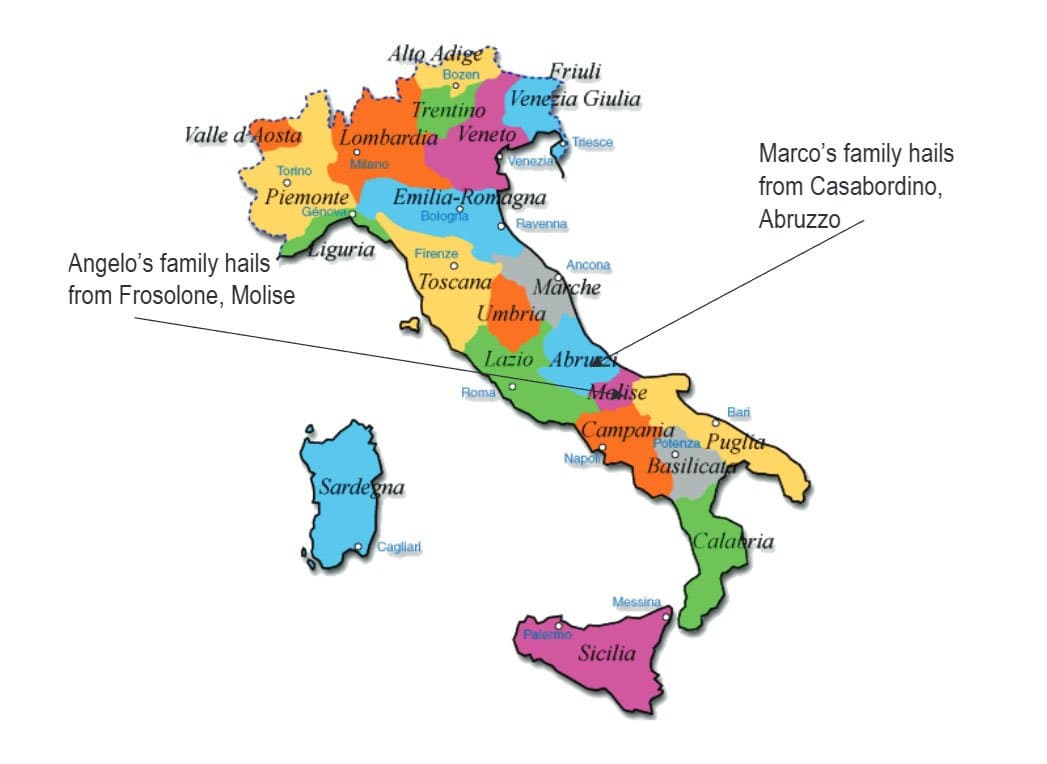
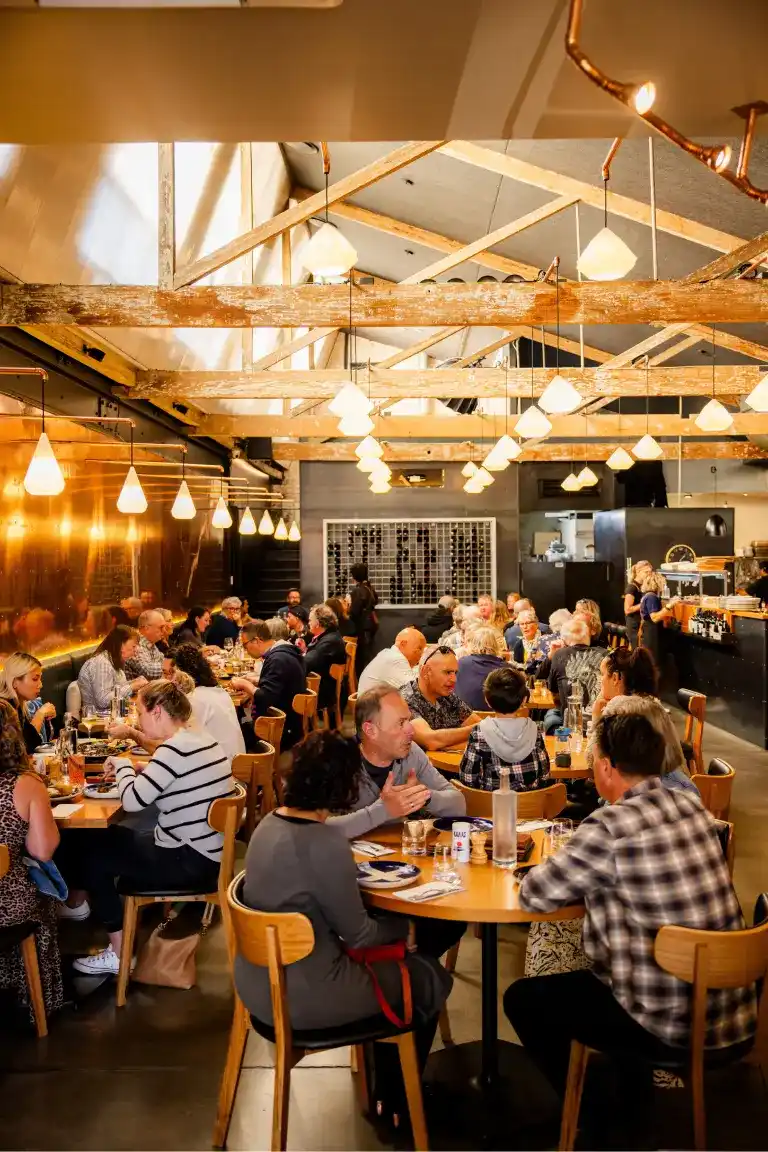
Da Angelo Ristorante has been part of Battery Point’s dining scene since 1994. Angelo Fraraccio opened it with a focus on traditional Italian cooking, fresh pizza and pasta, and it has remained a family-run operation as the next generation has become involved. The long history is the reason to choose it: this is an established neighbourhood restaurant with a clear Italian identity, rather than a venue relying on novelty. It is a natural fit for traditional pizza or pasta in one of Hobart’s most characterful inner-city areas.
For a special meal over the harbour
Aloft occupies the top of Brooke Street Pier, giving it one of Hobart’s most striking dining positions. The draw is the combination of considered cooking and sweeping views across the harbour. Choose it when the setting matters as much as the meal — for a special occasion, a visitor’s first Hobart dinner, or simply an evening when you want to look out over the water rather than sit on a conventional city street.
Launceston: central cafes and a quietly strong restaurant scene
Launceston’s food appeal is more understated than Hobart’s, but the city is compact and easy to explore on foot. These three venues give you different reasons to stop in the centre: a destination dinner, reliable restaurant dining and a relaxed cafe break.
Kawan Dining is on Charles Street in the heart of Launceston. It has built an exceptional reputation through consistent quality and the kind of experience that turns first-time diners into regulars. That consistency is its main attraction: book it when you want a meal that feels deliberate and special, without needing to leave the city centre.
On Paterson Street, Cataract on Paterson is a well-regarded, crowd-pleasing restaurant not far from the famous Cataract Gorge. It makes sense as part of a day exploring the gorge and central Launceston, particularly when you want a proper sit-down meal in a convenient location. The appeal is reliability and proximity: it is an easy restaurant to fold into a city itinerary rather than a remote food detour.
For a simpler stop, Samuel Pepy’s Cafe on George Street is a welcoming local favourite. Its central location, quality cafe fare and warm character make it useful for breakfast, lunch or a break while exploring Launceston. This is the sort of place to choose when you want an unforced, dependable cafe experience rather than a destination meal.
Oysters and coastal produce: Bruny Island and the east coast
Tasmania’s coastal food stops are most rewarding when you treat them as part of the landscape. Both of these oyster shacks are tied directly to the surrounding water, so the point is not just what arrives on the plate but where it comes from.
At Great Bay on Bruny Island, Get Shucked is an oyster farm and bar on Bruny Island Main Road. The oysters are grown in the surrounding waters and served in a relaxed setting, making it one of the island’s clearest bay-to-plate experiences. It is worth planning around if you want to taste Bruny’s produce at its source, with the farm itself forming part of the visit rather than merely being a backdrop to a city-style meal.
On the east coast, Melshell Oyster Shack sits on Yellow Sandbanks Road at Dolphin Sands, near Swansea and the Freycinet Peninsula. Like Get Shucked, it is an oyster farm and shack beside the water, serving oysters grown in the surrounding bay. Its location makes it a strong stop on an east-coast drive, especially if you are exploring the Freycinet area and want a direct connection between the landscape and the food.
The two venues offer a useful choice based on itinerary: Get Shucked for a Bruny Island food trail, Melshell for the Swansea–Freycinet stretch of the east coast. Neither needs overcomplicating; the freshness and setting are the reason to go.
Bruny Island: add a wilderness experience to the food day
Bruny Island Cruises operates from Adventure Bay and is primarily a wilderness experience rather than a conventional restaurant. It takes visitors along Bruny’s rugged coastline, including towering sea cliffs, deep caves and distinctive rock formations, with seals, seabirds and other marine life regularly spotted along the way.
Why include it in a food guide? Because Bruny is best approached as a full day of landscape and produce, not just a quick meal stop. Pair the cruise with the island’s food destinations, including Get Shucked, and you have a day that connects the surrounding Southern Ocean with what is served on the island. The cruise is worth doing for the coastline and wildlife; it complements, rather than replaces, a meal.
Road-trip stops through the Midlands and Tasman Peninsula
Some of Tasmania’s most useful food stops are the ones that break up a drive. Callington Mill Distillery is in Oatlands, a historic Midlands town roughly midway between Hobart and Launceston. The distillery is built around a beautifully restored nineteenth-century windmill, one of the few working windmills of its kind in the country.
The setting gives this visit its strongest identity. It is a chance to combine a distillery stop with Tasmanian heritage and the story of an old Midlands settlement. Treat it as a destination or road-trip pause for the historic mill and distillery experience; it is not necessary to pretend it is a conventional restaurant.
Near Port Arthur, cubed espresso bar is on Pirates Bay Drive at Eaglehawk Neck, close to the Tessellated Pavement and the dramatic Tasman Peninsula coastline. It is worth knowing about because a good coffee and food stop can make a sightseeing day easier, and this cafe has earned a strong reputation for both. Use it before or after the peninsula’s major attractions, particularly if your route takes you past Eaglehawk Neck.
Eating well beyond the main centres
Tasmania’s north-west deserves room on the itinerary too. Hungry Birds Burnie is in the Plaza Arcade on Mount Street, in the centre of Burnie. It has become a local favourite through good food, a relaxed atmosphere and a welcoming feel. The reason to choose it is straightforward: it offers a dependable central meal while exploring Burnie, without requiring a special detour outside town.
Burnie is also a useful reminder not to limit Tasmanian food travel to Hobart, Launceston and the famous island or east-coast stops. Regional venues can be the practical anchors of a longer drive, giving you somewhere established to eat when you are travelling through the north-west.
Practical tips for planning a Tasmanian food trip
- Plan by route, not just by venue. Bruny Island, Dolphin Sands, Eaglehawk Neck and Oatlands are experiences tied to particular parts of the state. Group nearby stops rather than crossing the island for one meal.
- Allow time for the setting. Get Shucked, Melshell Oyster Shack, Callington Mill Distillery and Bruny Island Cruises are more rewarding when you leave room for the landscape or heritage around them.
- Use central venues for flexible days. Hobart’s Murray, Elizabeth and waterfront precincts, along with Launceston’s Charles, George and Paterson streets, make it easier to combine food with sightseeing.
- Check current opening details before travelling. Regional and island stops can be particularly important to a day’s plan, so confirm hours, booking requirements and any transport arrangements directly with the venue or operator.
- Choose the mood before the menu. For a special harbour setting, look to Aloft; for Italian tradition, Da Angelo; for shared plates, Urban Greek or Bar Wa; for coffee, Hobart Coffee Roasters or cubed espresso bar; and for produce at its source, the oyster farms on Bruny Island and the east coast.
Tasmania rewards a slower approach. Leave space between meals, follow the roads to the coast or countryside, and let the location of each venue become part of what you came to eat.
Featured spots
More Tasmania guides
roundupTasmania Nightlife: The Best Bars & Live Music
From Hobart cocktails and live music to Launceston beer bars, east-coast wine and Tasman Peninsula spirits, these are Tasmania’s standout night-time stops.
Read guide →roundupFree Things to Do in Tasmania
From Wineglass Bay to Cradle Mountain, these are Tasmania’s best low-cost scenery, lookouts and landmarks — with honest notes on where fees may apply.
Read guide →roundupThe Best Coffee in Tasmania
From Hobart roasters to Bruny Island, Launceston and Cradle Mountain, these are Tasmania's most useful coffee stops for city days and scenic drives.
Read guide →