Things to Do in Richmond, Tasmania: The Local Guide
Planning beyond Richmond? This Tasmania guide brings together wilderness, heritage, coastal lookouts and island scenery across the state.
By Tasmania Spots · 19 June 2026
# Things to Do in Richmond, Tasmania: The Local Guide
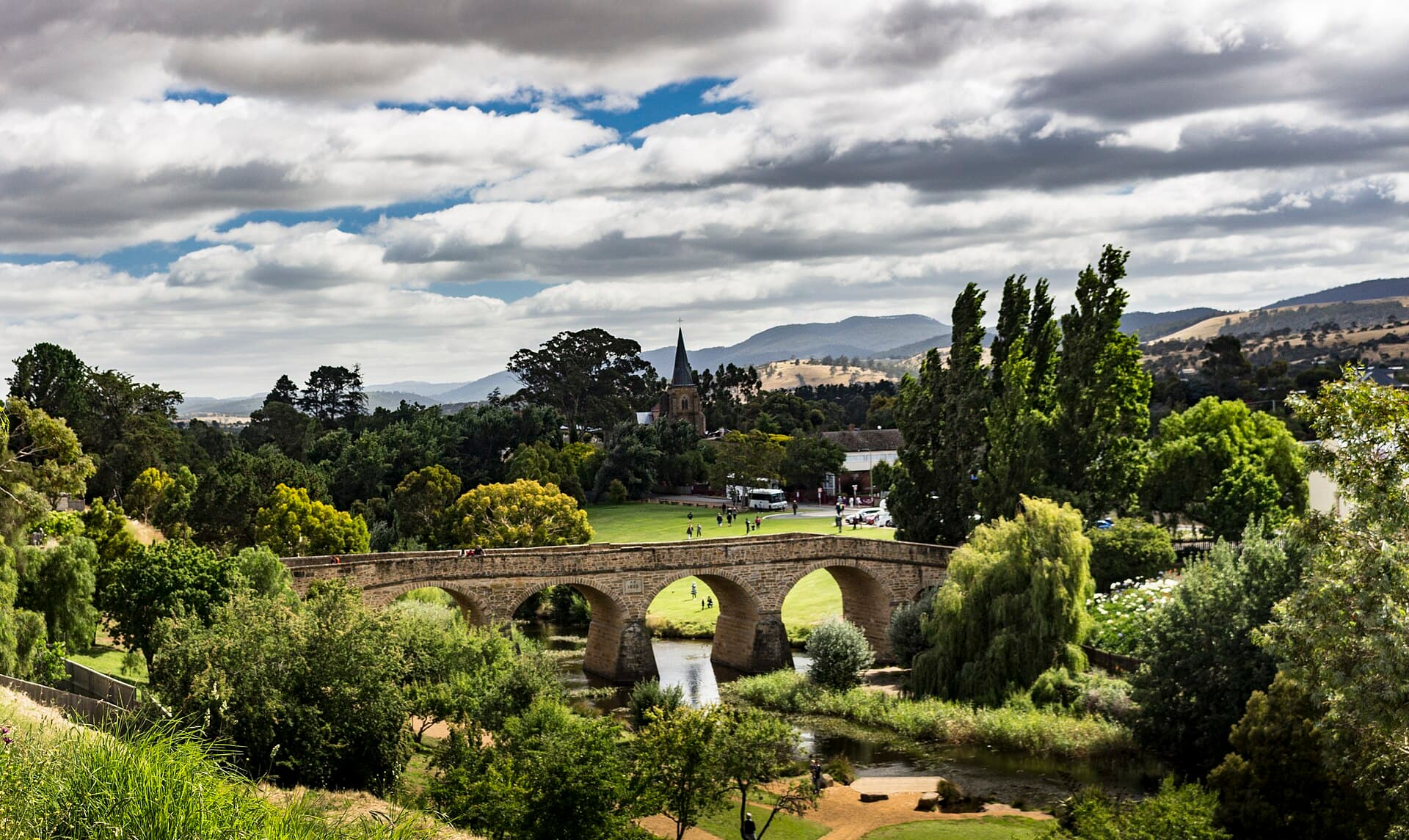
Richmond is a useful name to put on a Tasmanian itinerary, but the places in this guide are not all in Richmond — or even close to one another. They range from Hobart and the Tasman Peninsula to Bruny Island, Freycinet and Cradle Mountain. Treat this as a wider Tasmania hit-list for planning day trips and longer road journeys, rather than a walkable Richmond attraction guide.
The common thread is scenery with a strong sense of place: convict history on the Tasman Peninsula, granite mountains and beaches on the east coast, wild highland landscapes in the west, and memorable views around Hobart and Bruny Island. Some stops suit a quick look; others deserve a full day or more. Here is how to choose between them.
For Tasmania’s big wilderness views
Cradle Mountain–Lake St Clair National Park
Cradle Mountain–Lake St Clair National Park is the choice for a genuine wilderness experience. The jagged outline of Cradle Mountain above the still waters of Dove Lake is one of Tasmania’s defining landscapes, and the park forms part of the Tasmanian Wilderness World Heritage Area. That setting gives it more weight than a simple lookout stop: this is a place to spend time outdoors and take in a much larger, more rugged landscape.
The park offers a broad range of experiences, from gentler walks to more demanding wilderness outings. Even if you are not planning a serious hike, Dove Lake provides the clearest introduction to the scenery described in the park’s name. Come for the mountain reflected in the water, but allow enough time to appreciate the changing weather, the vegetation and the scale of the surrounding country.
Cradle Mountain is in the island’s west, so it belongs on a dedicated western Tasmania itinerary rather than a rushed add-on to a Richmond visit. It is particularly rewarding for travellers who want their trip to be shaped by national parks and walking, rather than galleries, shops or heritage buildings.
Wineglass Bay Lookout
Wineglass Bay Lookout in Freycinet National Park is one of Tasmania’s most recognisable viewpoints. The walk passes through the park’s granite landscape before opening onto the famous curve of white sand and turquoise water below. The view is the reason to make the effort: it gives you the complete sweep of the bay, the surrounding coast and the distinctive pink granite country that makes Freycinet so visually different from Tasmania’s west.
This is a strong option when you want a classic Tasmanian landscape in a relatively concentrated outing. It is also a popular walking destination, so the experience is best approached as a proper national-park stop rather than a quick roadside photograph. The lookout shows the bay from above; the wider Freycinet area offers other ways to experience the coastline around Coles Bay.
Wineglass Bay and the Freycinet coast
The broader Wineglass Bay area is worth separating from the lookout itself. The lookout delivers the iconic elevated view, while the Freycinet coast gives you a chance to spend longer with the Hazards — the pink granite mountains beside the sheltered coast — and the beaches and bays around Coles Bay.
Choose this part of the east coast if you want a landscape that combines mountain colour, clear water and a distinctive beach shape. It is one of the more polished choices for a scenic Tasmania itinerary, but its appeal is still fundamentally natural: the mountains and coastline do the work. Pairing the lookout with time around the wider Freycinet area makes more sense than treating the two entries as identical attractions.
For history and the Tasman Peninsula
Port Arthur Historic Site
Port Arthur Historic Site is one of Tasmania’s most important heritage destinations and one of its most emotionally demanding. The former convict settlement is UNESCO World Heritage-listed, with preserved ruins and restored buildings spread through a coastal landscape that is beautiful but never quite cheerful. The setting and the history are inseparable here.
Go for the chance to understand the penal system through the place itself, rather than through an isolated museum display. The buildings, ruins and surrounding grounds convey the scale and severity of the settlement, while the coastal scenery adds to the site’s melancholy atmosphere. It is a substantial destination, not a token stop between other Tasman Peninsula lookouts.
Port Arthur is about ninety minutes from Hobart, according to the supplied venue information, which makes it a realistic major outing from the capital. From Richmond, plan it as part of a broader Tasman Peninsula day or overnight journey and check the site’s current visiting arrangements before setting out.
Remarkable Cave
Remarkable Cave is a short but dramatic natural stop south of Port Arthur, at the end of Safety Cove Road. A boardwalk and stairway lead down to a viewing platform where the sea-carved cave frames the Southern Ocean. That natural window is the attraction: rather than simply looking at a cliff or beach, you are looking through the rock towards a wild stretch of coast.
It is worth visiting for the contrast with Port Arthur. The historic site asks you to slow down and absorb a layered human story; Remarkable Cave is elemental, shaped by water, rock and the open ocean. The surrounding Tasman Peninsula scenery is part of the experience too, so it works well as a companion stop when you are already exploring Port Arthur.
The access is described as a short boardwalk and stairway, but coastal conditions can change the feel of any visit. Wear sensible shoes and take care around exposed viewpoints. Check current access information before travelling, particularly if weather is unsettled.
Port Arthur Lavender
Port Arthur Lavender offers a gentler pause on the Arthur Highway near the historic site. The farm combines lavender fields and gardens with a cafe, a shop selling lavender products and scenic surrounds. Its appeal is not just the flowers: it gives a slower, more relaxed interlude within a Tasman Peninsula itinerary that otherwise leans heavily towards convict history and rugged coastline.
This is the stop to choose when your group wants a garden setting, a cafe break or something easy-going between larger attractions. The lavender products also make it a practical place to browse for a locally themed gift, without pretending the visit is the same kind of experience as Port Arthur or Remarkable Cave. Its location near the famous historic site makes combining the two straightforward in broad itinerary terms, though opening hours and seasonal conditions should be checked before you go.
For island and coastal outlooks
Truganini Lookout, Bruny Island
Truganini Lookout sits at The Neck on Bruny Island, the narrow isthmus joining North and South Bruny. A boardwalk and staircase climb the dune to a viewpoint over the isthmus, with beaches and bays stretching away on both sides. The reward is a rare double-sided coastal view: instead of seeing one bay or one headland, you can understand the narrow shape of the island from above.
It is a particularly good choice for travellers who enjoy viewpoints that explain the geography of a place. The walk is short enough to feel like an accessible scenic stop, while the elevated position makes the landscape feel much larger than the approach suggests. Leave room in your Bruny Island planning for the climb, the views and the weather rather than treating it as a rushed photo opportunity.
Cascade Brewery
Cascade Brewery brings the itinerary back to Hobart, beneath the slopes of kunanyi/Mount Wellington in South Hobart. As Australia’s oldest continuously operating brewery, it offers a combination that is distinct from the national parks and coastal lookouts elsewhere in this guide: a historic sandstone building, brewery tours, beer and gardens.
It is worth visiting for that mix of working heritage and place. The brewery is not just a tasting stop; the building and its setting give it a strong Hobart identity, while a tour can add context to the brewing history. The gardens and surrounding slopes make it a more atmospheric visit than an anonymous urban venue.
Check tour and visitor arrangements before making it a fixed part of your day. If you are driving, plan the transport around any beer tasting rather than treating it as an afterthought.
Practical tips for planning from Richmond
- Think in regions. Cradle Mountain, Freycinet, Bruny Island and the Tasman Peninsula are separate destinations. Group stops by area instead of trying to cover the whole list in one day.
- Match the stop to your available time. Port Arthur Historic Site and Cradle Mountain–Lake St Clair National Park deserve more attention than a quick photo stop. Remarkable Cave, Truganini Lookout and Port Arthur Lavender can work as parts of a larger regional itinerary.
- Allow for walking. The supplied descriptions include boardwalks, stairs, a dune climb and national-park walking tracks. Comfortable footwear is a sensible baseline, and weather can affect how enjoyable exposed coastal and mountain locations feel.
- Check details before leaving. Confirm opening hours, tour availability, road and track access, park requirements and weather conditions with each venue or relevant park authority. This matters especially for national parks, coastal sites and seasonal lavender displays.
- Do not underestimate the distances. Tasmania’s attractions can look close on a map while belonging to very different parts of the island. Use Richmond as one point in a wider trip, not as proof that every venue here is nearby.
The best version of this itinerary is not a race to collect famous names. Choose one region, give its landscapes and history enough time, and let the contrast between them — wilderness, coast, heritage, island and brewery — shape the trip.
Featured spots
More Tasmania guides
 roundup
Tasmania Nightlife: The Best Bars & Live Music
From Hobart cocktails and live music to Launceston beer bars, east-coast wine and Tasman Peninsula spirits, these are Tasmania’s standout night-time stops.
Read guide →roundupFree Things to Do in Tasmania
From Wineglass Bay to Cradle Mountain, these are Tasmania’s best low-cost scenery, lookouts and landmarks — with honest notes on where fees may apply.
Read guide →roundupThe Best Coffee in Tasmania
From Hobart roasters to Bruny Island, Launceston and Cradle Mountain, these are Tasmania's most useful coffee stops for city days and scenic drives.
Read guide →