Things to Do in Freycinet, Tasmania: The Local Guide
Plan Freycinet around Wineglass Bay Lookout and the wider coast, then add Tasmania’s standout wilderness, heritage and island attractions.
By Tasmania Spots · 19 June 2026
# Things to Do in Freycinet, Tasmania: The Local Guide
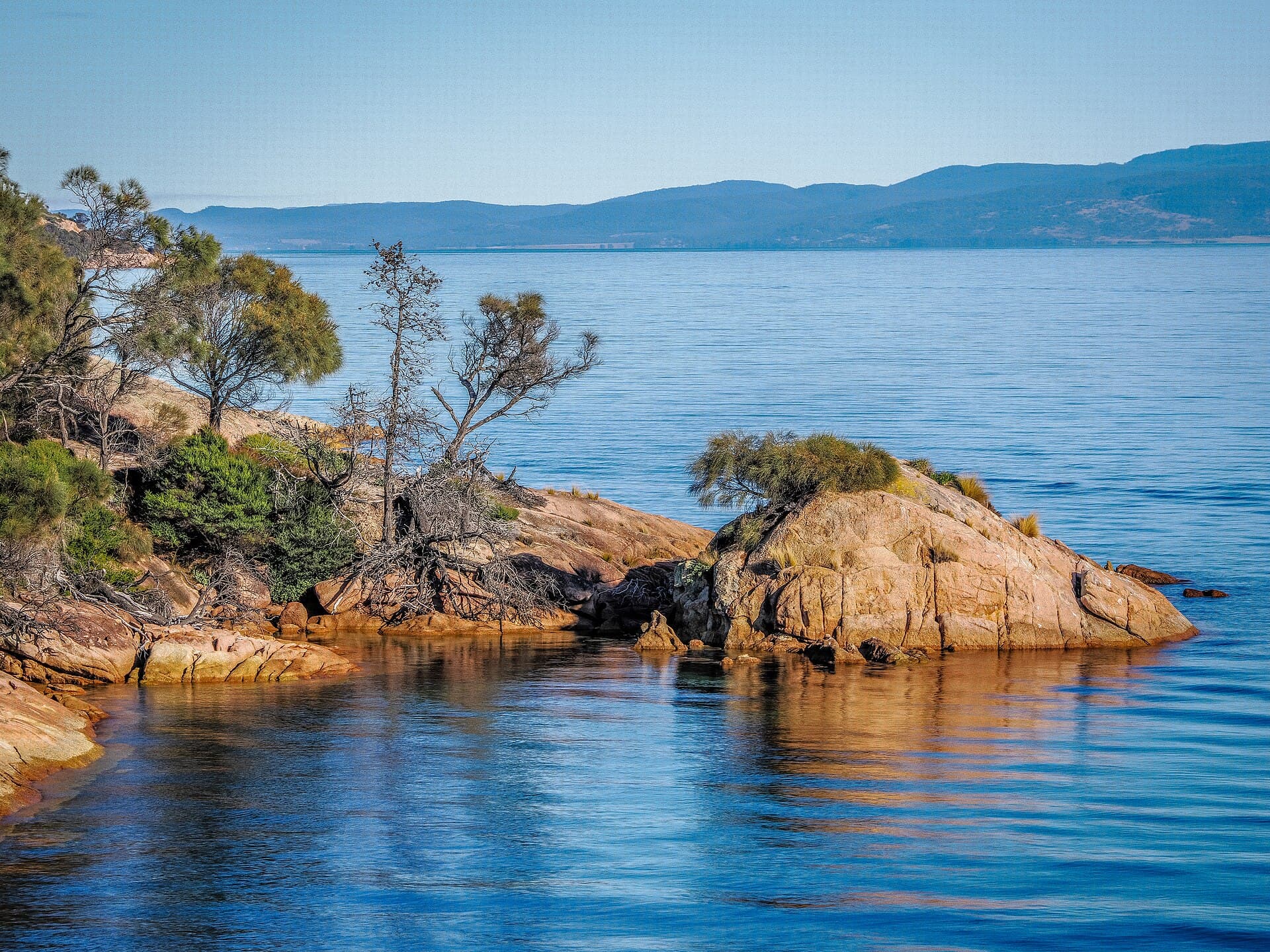
Freycinet is one of Tasmania’s most recognisable coastal landscapes: pink granite mountains, clear bays and the long, pale sweep of Wineglass Bay on the east coast. The best way to experience it is to slow down and give the scenery some time rather than treating the area as a quick photo stop. Start with the classic lookout, then use the wider Freycinet Coast to understand the landscape around Coles Bay and the Hazards.
The venues in this guide also include several of Tasmania’s major attractions beyond Freycinet. They make sense as additions to a longer Tasmanian trip, but they are not in Freycinet itself. That distinction matters when planning: Cradle Mountain, Port Arthur, Bruny Island and Hobart each offer a very different experience from the east-coast granite and beaches.
The essential Freycinet experience
Wineglass Bay Lookout
Wineglass Bay Lookout is the obvious starting point for a first visit to Freycinet National Park. The view takes in the famous curve of Wineglass Bay, with its white sand and turquoise water framed by the park’s granite landscape. It is the scene most people associate with Freycinet, and it earns its reputation because the coastline reads clearly from above: the sweep of the bay, the surrounding bush and the distinctive pink-toned mountains all come together in one view.
The lookout is reached by a popular walking track through the granite landscape. That makes it more rewarding than simply pulling over beside a road: the approach gives the destination a sense of arrival, while the final outlook provides the classic Freycinet photograph. Go for the view, but take a moment to look beyond the camera frame as well. The Hazards and the bay are the real attraction, not just the familiar shape on a screen.
Wineglass Bay
Wineglass Bay is the broader coastal destination associated with the area around Coles Bay and Freycinet National Park. While the lookout gives you the elevated postcard view, the bay itself is the reason the landscape has such enduring appeal. It is known for the distinctive curve of the coastline, the sheltered water and the pink granite Hazards rising beside it.
This is a place to experience as part of the wider Freycinet Coast rather than reducing it to one viewpoint. The local landscape offers different ways to take in the coast, with the bay, mountains and surrounding shoreline creating a more complete picture than any single stop. If you are already visiting the lookout, allow time to appreciate the setting around it rather than rushing straight on to the next attraction.
Tasmania’s bigger wilderness landscapes
Cradle Mountain–Lake St Clair National Park
Cradle Mountain–Lake St Clair National Park is not a Freycinet attraction, but it belongs on a longer Tasmania itinerary for a completely different kind of wilderness experience. Part of the Tasmanian Wilderness World Heritage Area, the park is centred on the jagged form of Cradle Mountain and the still waters of Dove Lake. Its scenery is more rugged and alpine in character than Freycinet’s coastal granite and beaches.
The park offers a wide range of experiences, from gentler walks to more demanding wilderness adventures. Even the classic view of Cradle Mountain reflected in Dove Lake gives you a strong sense of why the park is so revered. It is worth visiting if you want to contrast Tasmania’s east-coast light and open bays with a colder, more dramatic landscape shaped by mountains, water and wilderness.
Treat it as its own destination rather than something to squeeze casually between Freycinet stops. The appeal lies in spending time in the park’s changing scenery, not simply ticking off a landmark.
Port Arthur and the Tasman Peninsula
Port Arthur Historic Site
Port Arthur Historic Site offers one of Tasmania’s most significant cultural and historical experiences. The former convict settlement is UNESCO World Heritage-listed and preserves a mixture of haunting ruins and restored buildings on the rugged Tasman Peninsula. Its coastal setting is striking, but the history is the reason to come.
The site is moving because the landscape and buildings are inseparable from the story of the penal station. Walking among the remains gives the place a weight that a short summary cannot convey. It is a strong choice for visitors who want more from Tasmania than scenery, and it provides a very different day from the beaches and lookouts of Freycinet.
Port Arthur is about ninety minutes from Hobart, making it a substantial outing from the capital. Give the historic site proper attention rather than treating it as a quick roadside stop; the restored buildings, ruins and setting all reward a slower visit.
Remarkable Cave
At the southern end of Safety Cove Road, Remarkable Cave is a concise but dramatic stop on the Tasman Peninsula. A short boardwalk and stairway lead to a viewing platform where the sea-carved cave frames the wild Southern Ocean beyond. The appeal is the contrast between the dark rock formation and the open, restless coastline outside it.
It is worth visiting for the way the cave turns a natural formation into a kind of window. Rather than looking at the ocean from a conventional headland, you see it through rock shaped by the sea. The surrounding scenery is also part of the experience, with the rugged coastline giving the stop an elemental feel.
The boardwalk and stairway make the viewing point straightforward in character, but sensible footwear is still useful for a coastal stop. Combine it with Port Arthur Historic Site when you are exploring the peninsula, keeping in mind that these are separate attractions with very different reasons to visit.
Port Arthur Lavender
Port Arthur Lavender is a gentler counterpoint to the peninsula’s history and exposed coastline. Set on the Arthur Highway near Port Arthur, the farm combines lavender fields and gardens with a cafe, a shop selling lavender products and scenic surrounds.
It is worth adding when you want a slower, more relaxed stop between major attractions. The gardens and fields provide the visual appeal, while the cafe and shop make it more than a quick look at a crop. It also works well for visitors who enjoy landscape, local produce and small visitor destinations alongside Tasmania’s headline sights.
Its location near the historic site makes it a natural addition to a Port Arthur outing, although the experience is deliberately lighter: come for the gardens, the colour and the chance to pause.
Other worthwhile additions to a Tasmania itinerary
Truganini Lookout, Bruny Island
Truganini Lookout sits at The Neck on Bruny Island, the narrow isthmus joining North and South Bruny. A boardwalk and staircase climb the dune to a lookout with views over the isthmus, beaches and bays on both sides. The geography is the star: from the top, the narrow connection between the two parts of the island becomes immediately clear.
It is worth the climb because the view gives you more than a single coastal outlook. You can see the beaches and water stretching away in both directions, with the exposed dune and isthmus creating a dramatic sense of place. If you are visiting Bruny Island, this is one of the stops that best explains its shape and setting.
Cascade Brewery
In South Hobart, Cascade Brewery brings together heritage, beer and a very different kind of scenery. Australia’s oldest continuously operating brewery occupies a historic sandstone building beneath the slopes of kunanyi/Mount Wellington, with brewery tours, beer and gardens forming the main draw.
It is worth visiting for the combination rather than any one element. The building gives the stop a strong sense of history, the gardens soften the setting, and the brewery offers a distinctly Hobart way to spend time away from the national parks. It is a useful inclusion at the beginning or end of a broader Tasmanian trip, particularly if you want an attraction that is cultural and local rather than purely scenic.
Practical tips for planning
- Keep Freycinet days focused on the park’s landscapes. Wineglass Bay Lookout is the essential viewpoint, while Wineglass Bay and the wider Freycinet Coast reward a less hurried visit.
- Check the walking approach before setting out. The supplied attractions include popular tracks, boardwalks, stairways and dune climbs, so comfortable footwear is a practical choice.
- Do not plan the out-of-area attractions as if they are near Freycinet. Cradle Mountain, Port Arthur, Bruny Island and Hobart are separate destinations with their own travel time and character.
- For the Tasman Peninsula, pair the historical depth of Port Arthur Historic Site with the natural drama of Remarkable Cave, then use Port Arthur Lavender as a quieter garden and cafe stop.
- Allow the setting to do some of the work. Freycinet is about the relationship between the Hazards, the bay and the coast; Cradle Mountain is about wilderness and mountain scenery; Port Arthur is about history in place.
- Tasmania’s strongest experiences are often the ones that leave room to look properly. Build fewer stops into each day and give the landscapes, heritage buildings and viewpoints more than a rushed photo opportunity.
Featured spots
More Tasmania guides
 roundup
Tasmania Nightlife: The Best Bars & Live Music
From Hobart cocktails and live music to Launceston beer bars, east-coast wine and Tasman Peninsula spirits, these are Tasmania’s standout night-time stops.
Read guide →roundupFree Things to Do in Tasmania
From Wineglass Bay to Cradle Mountain, these are Tasmania’s best low-cost scenery, lookouts and landmarks — with honest notes on where fees may apply.
Read guide →roundupThe Best Coffee in Tasmania
From Hobart roasters to Bruny Island, Launceston and Cradle Mountain, these are Tasmania's most useful coffee stops for city days and scenic drives.
Read guide →