Things to Do in Bruny Island, Tasmania: The Local Guide
From Truganini Lookout on Bruny Island to Port Arthur, Freycinet and Cradle Mountain, plan Tasmania’s standout landscapes and attractions by region.
By Tasmania Spots · 19 June 2026
# Things to Do in Bruny Island, Tasmania: The Local Guide
Bruny Island is best known for its shifting mix of beaches, bays, bushland and open coastal views, but one of its clearest highlights is also one of its simplest: climbing to Truganini Lookout at The Neck. If you are building a broader south-east Tasmania itinerary, the island can also sit alongside the historic, coastal and food-focused attractions of the Tasman Peninsula, with Hobart as a useful base for further afield.
One important distinction: of the places in this guide, Truganini Lookout is the only venue on Bruny Island itself. The others are in Port Arthur, Hobart, Freycinet or Cradle Mountain, so they are not quick add-ons to a Bruny outing. They make more sense as separate stops on a longer Tasmanian trip, rather than attractions to squeeze into the same day.
The essential Bruny Island stop
Truganini Lookout
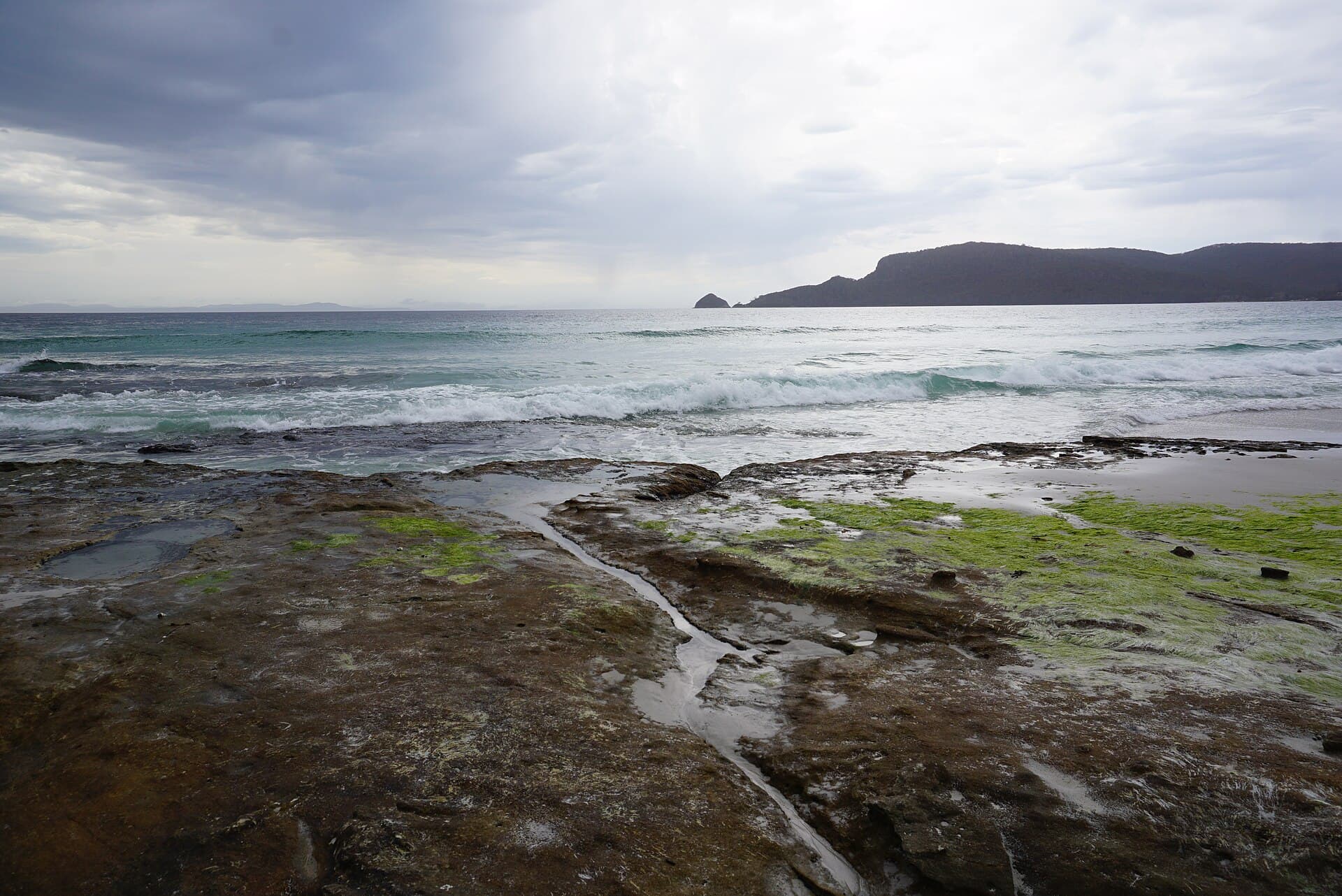
Truganini Lookout sits at The Neck, the narrow isthmus joining North and South Bruny. It is the standout place to begin if you want to understand the island’s geography: from the top, the land narrows dramatically beneath you, with beaches and bays stretching away on both sides.
The lookout is reached via a boardwalk and staircase up the dune. That climb is part of the experience, giving the viewpoint a stronger sense of arrival than a roadside pull-in. At the top, the reward is a broad, open panorama rather than a single framed view — an excellent place to see how the two sections of Bruny Island meet and to get a feel for its exposed coastal character.
Bring time to pause rather than treating it as a quick photograph stop. The view is the reason to come, and the setting makes this one of those places where the landscape does most of the work. If you are travelling with anyone who finds stairs difficult, take the access into account when planning the visit.
Tasman Peninsula: history, coast and lavender
If you are extending a south-east Tasmania trip beyond Bruny, the Tasman Peninsula offers a very different kind of day out. Its attractions combine convict history, sea-carved rock and cultivated gardens, with each stop giving the landscape a different mood.
Port Arthur Historic Site
Port Arthur Historic Site is the most significant heritage experience in this group. The former convict settlement is a UNESCO World Heritage-listed site, preserving a large collection of haunting ruins and restored buildings in a coastal setting. Its importance is not just architectural: the site conveys the severity of one of colonial Australia’s harshest penal stations.
Go for the depth of the place rather than a quick look at a few ruins. The combination of preserved structures, melancholy scenery and the weight of the history makes Port Arthur one of Tasmania’s most affecting attractions. It is particularly worthwhile if you want an experience with substance as well as scenery, although the subject matter means it may not suit visitors looking only for a light sightseeing stop.
Remarkable Cave
At the end of Safety Cove Road south of Port Arthur, Remarkable Cave is a compact but dramatic coastal attraction. A short boardwalk and stairway lead down to a viewing platform, where the sea-carved cave forms a natural frame for the wild Southern Ocean beyond.
Its appeal is immediacy: you do not need a long walk to reach a strong coastal view. The cave, rock and ocean combine into a scene that feels elemental and exposed, making it a good complement to Port Arthur’s inward-looking heritage story. Allow for the stairs and take care to appreciate the view from the platform rather than assuming the cave itself is the only point of interest.
Port Arthur Lavender
Port Arthur Lavender offers a gentler stop on the Arthur Highway near Port Arthur. The visitor destination combines lavender fields and gardens with a cafe, a shop selling lavender products and attractive surrounds. It is a useful change of pace after the solemnity of the historic site or the raw coastline around Remarkable Cave.
Come for the setting and the chance to browse at an unhurried pace. The gardens and fields provide the visual appeal, while the cafe and shop make it more than a quick roadside view. It works particularly well for travellers who want to balance major attractions with something relaxed and garden-focused.
Freycinet: Tasmania’s famous east-coast views
Freycinet is not near Bruny Island, but it belongs on a longer list of Tasmania’s signature landscapes. The granite Hazards, bright water and curved beaches create a different visual language from Bruny’s narrow isthmus and exposed bays.
Wineglass Bay Lookout
Wineglass Bay Lookout is the classic viewing point for the famous crescent of white sand and turquoise water. The lookout is reached by a popular walking track through the granite landscape of Freycinet National Park, with the view opening onto the bay’s distinctive curve.
This is the place to choose if your priority is the recognisable panorama: the sweep of sand, the water and the surrounding granite country all appear together. The walk is part of the outing, so it is better approached as a proper national-park visit than as a guaranteed roadside photo opportunity. The reward is one of Tasmania’s most iconic coastal scenes.
Wineglass Bay
Wineglass Bay refers to the broader scenic destination around Coles Bay and Freycinet National Park, rather than only the elevated lookout. The area is known for views of the Hazards and the sheltered coastline around the bay, with several ways to experience the landscape.
That distinction matters when planning: the lookout gives the famous elevated composition, while the wider Wineglass Bay and Freycinet area offers a more expansive encounter with the coast. Choose it for the combination of pink granite mountains, sheltered water and the distinctive shape of the bay — a very different coastal experience from the open Southern Ocean view at Remarkable Cave.
Hobart and the wider wilderness
Cascade Brewery
Back in Hobart, Cascade Brewery is a strong choice when you want heritage and scenery without leaving the city’s orbit. Australia’s oldest continuously operating brewery occupies a historic sandstone building beneath the slopes of kunanyi/Mount Wellington, with brewery tours, beer and gardens contributing to the visit.
The reason to go is the combination rather than any one element. The building gives the stop a sense of place, the gardens add a quieter outdoor setting, and the brewery’s history makes it more substantial than simply dropping in for a drink. It suits an afternoon when you want a Hobart attraction with local character and a built-in connection to the surrounding landscape.
Cradle Mountain–Lake St Clair National Park
For a much bigger wilderness experience, Cradle Mountain–Lake St Clair National Park is one of Tasmania’s major destinations. The jagged peak of Cradle Mountain reflected in the still waters of Dove Lake is the defining image, but the park’s appeal lies in the range of experiences within a landscape recognised as part of the Tasmanian Wilderness World Heritage Area.
This is not a Bruny Island side trip; it belongs in a separate wilderness leg of a Tasmanian journey. Go when you want dramatic mountain scenery and a more immersive national-park experience, rather than a single short attraction. Even the best-known view at Dove Lake depends on the contrast between the water, the peak and the surrounding wild country, so leave room for the landscape to set the pace.
Practical planning tips
- Treat Truganini Lookout as the Bruny Island highlight in this list. The other venues are in different parts of Tasmania and should be planned as separate outings.
- Wear sensible footwear for the boardwalk and staircase at Truganini Lookout, and for the access to Remarkable Cave and the walking track to Wineglass Bay Lookout.
- Group attractions by region rather than trying to connect them all in one day: Port Arthur, Remarkable Cave and Port Arthur Lavender sit together on the Tasman Peninsula; Wineglass Bay belongs to a Freycinet itinerary; Cradle Mountain–Lake St Clair requires its own wilderness focus.
- Allow extra time at Port Arthur Historic Site. Its value is in the ruins, restored buildings and historical setting, not in rushing through a single viewpoint.
- Check current access arrangements, opening details and conditions before leaving, particularly for national-park areas and coastal viewpoints.
Bruny’s strength is its sense of place, and Truganini Lookout captures that most clearly. For the rest of Tasmania, use this list as a way to choose contrasting experiences: convict history at Port Arthur, raw coastline at Remarkable Cave, gardens and lavender near the peninsula, granite-and-water views at Freycinet, brewery heritage in Hobart and deep wilderness around Cradle Mountain.
Featured spots
More Tasmania guides
 roundup
Tasmania Nightlife: The Best Bars & Live Music
From Hobart cocktails and live music to Launceston beer bars, east-coast wine and Tasman Peninsula spirits, these are Tasmania’s standout night-time stops.
Read guide →roundupFree Things to Do in Tasmania
From Wineglass Bay to Cradle Mountain, these are Tasmania’s best low-cost scenery, lookouts and landmarks — with honest notes on where fees may apply.
Read guide →roundupThe Best Coffee in Tasmania
From Hobart roasters to Bruny Island, Launceston and Cradle Mountain, these are Tasmania's most useful coffee stops for city days and scenic drives.
Read guide →